
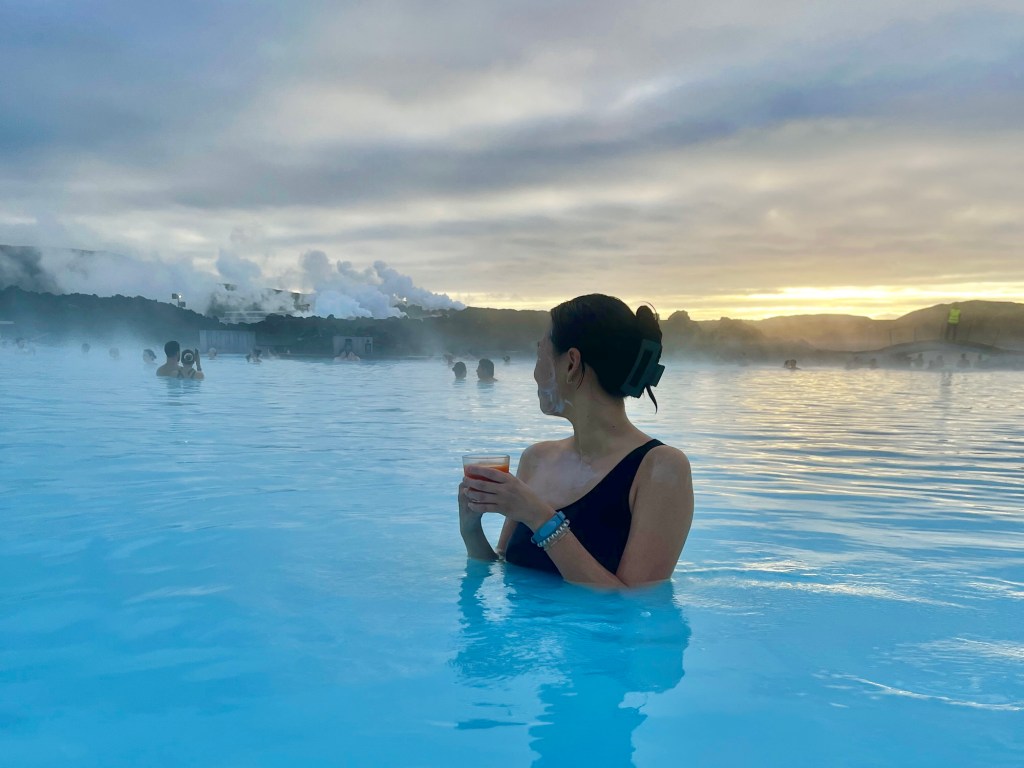
Stepping off the plane into the crisp Arctic air, Reykjavik is likely the first place you will visit when in Iceland. It certainly was our first stop during our week and a half long trip around this country. Our first stops are to soak away the flight fatigue at the milk waters of the Blue Lagoon and exploring the cozy, colorful streets of Reykjavik.
About Reykjavik
This northernmost capital city is Iceland’s largest and most populous urban area, making up 64% of the entire country’s population. The city proper has a population of about 140,000 people while the capital region which contains 6 municipalities has about 252,000 people. Thus, Reykjavik is the cultural and business hub of Iceland.
Things to Know Before You Go
How Long to Stay
Personally, I don’t think you need more than 2 days in the city of Reykjavik itself, including taking a soak in the hot springs. This doesn’t include driving any of the Ring Road and is just based on only staying within Reykjavik and the surrounding area.
When to Visit
Depending on what you want to see, the main seasons to visit Iceland is the summer (June – August) for hiking, warm weather, and the midnight sun or winter (November – March) for northern lights, natural ice caves, and festive holiday lights.
How to Get Around
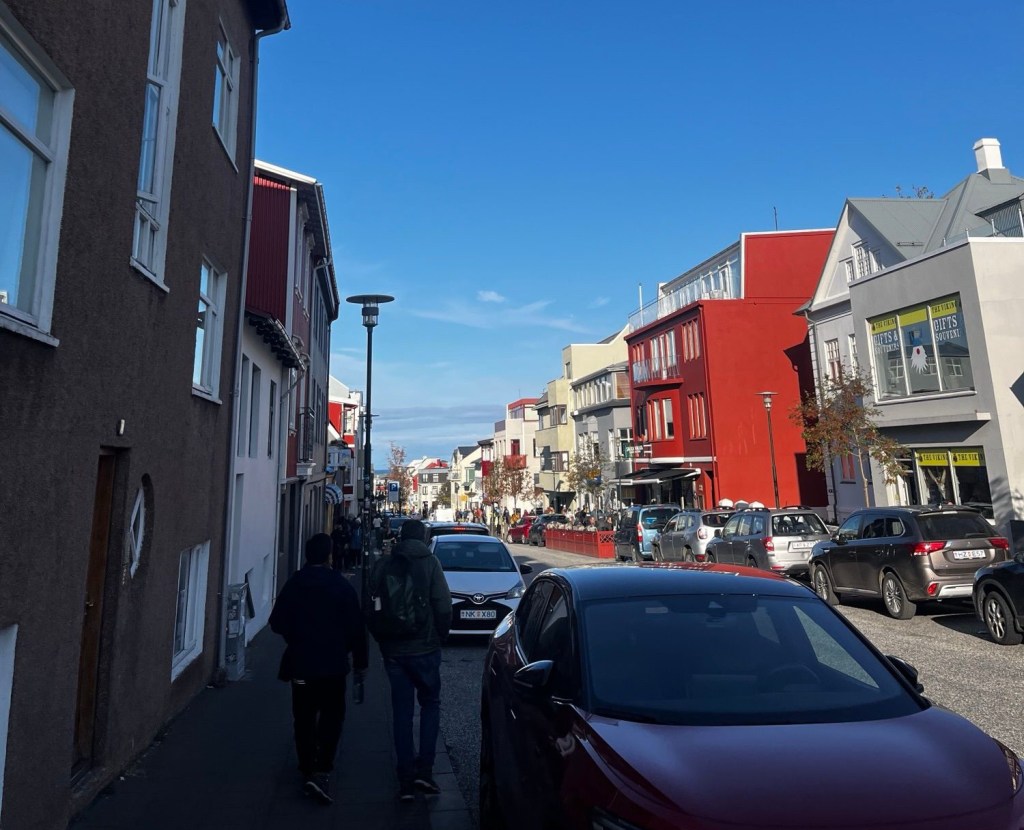
It’s very easy to get around Reykjavik as it is an extremely walkable and pedestrian-friendly city. If you don’t want to walk, there is also the option to travel by the Strætó public bus, e-scooters on the Hopp app, car rentals, or taxis (ubers are illegal).
Hallgrímskirkja Church
Sitting at 74.5 meters (245 feet) tall, the Hallgrímskirkja church is Reykjavik’s tallest and most recognizable landmark. The striking architecture blends with inspiration from Iceland’s dramatic natural landscapes. Named after the 17th-century poet and pastor, Hallgrimur Peterson, this is an active church community as part of the Evangelical Lutheran Church of Iceland. It hosts regular worship services, concerts, cultural events, and educational programs.
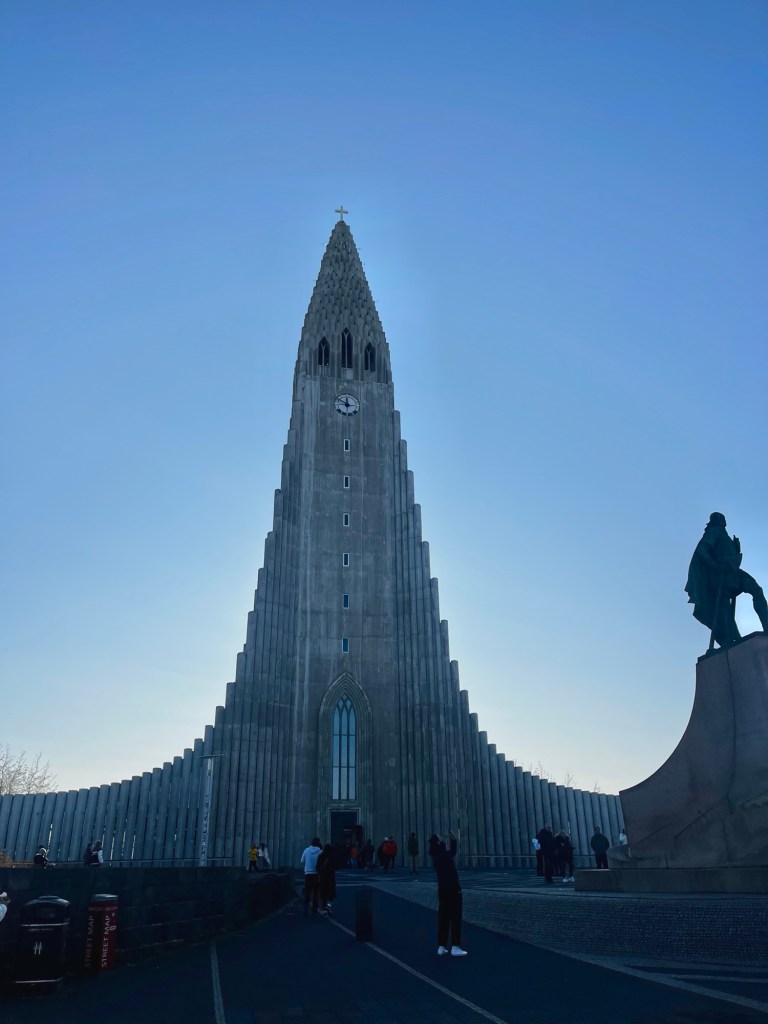
The church is free to enter while tower admission is ISK 1,400 for adults and ISK 200 for children. At the top of the tower, you get panoramic views of the city skyline, Faxafloi Bay, and Mount Esja.
Skólavörðustígur (Rainbow Street)
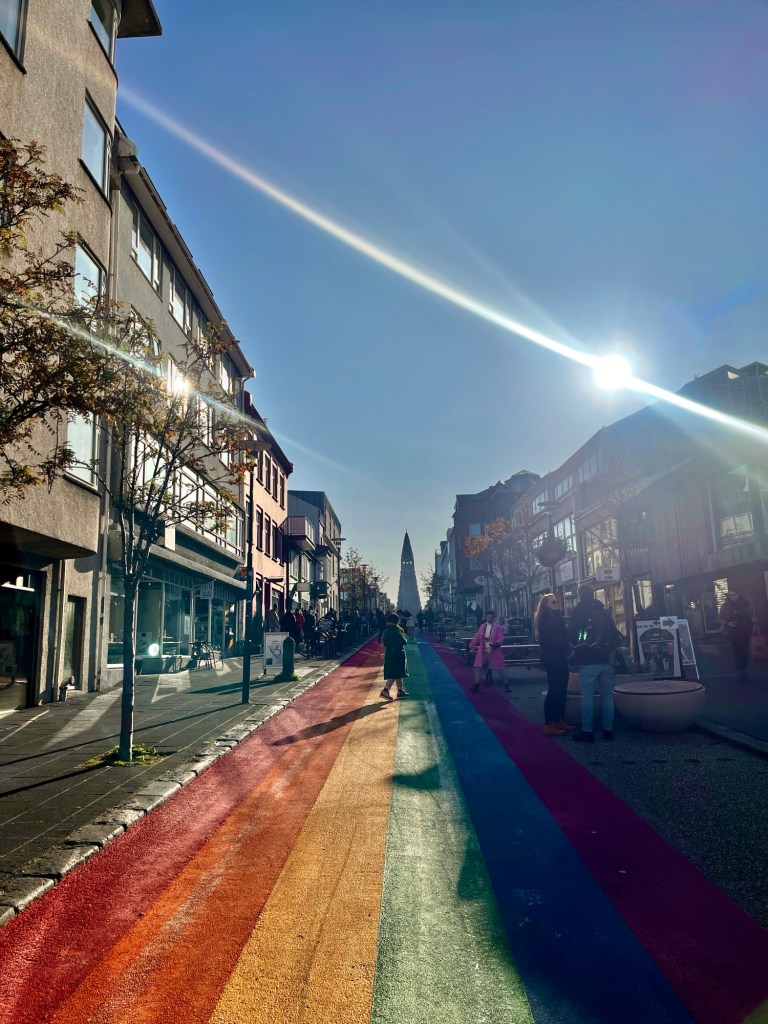
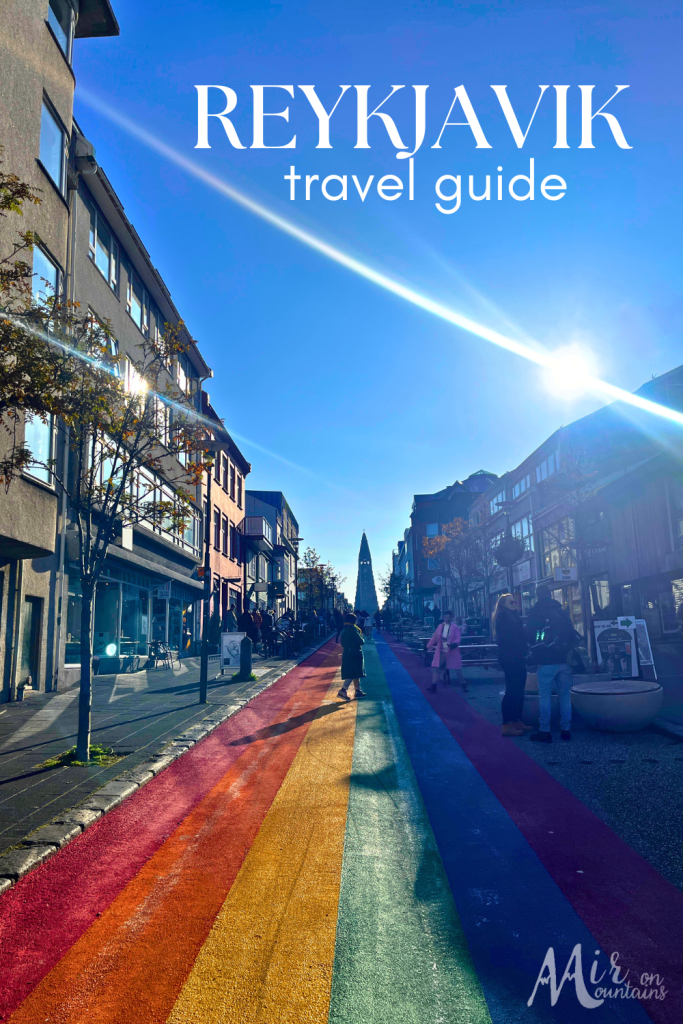
This name of this vibrant street is pretty self-explanatory, as its pavement is painted in bright rainbow stripes. It is pedestrian-friendly and offers a direct view of the Hallgrímskirkja church at the end.
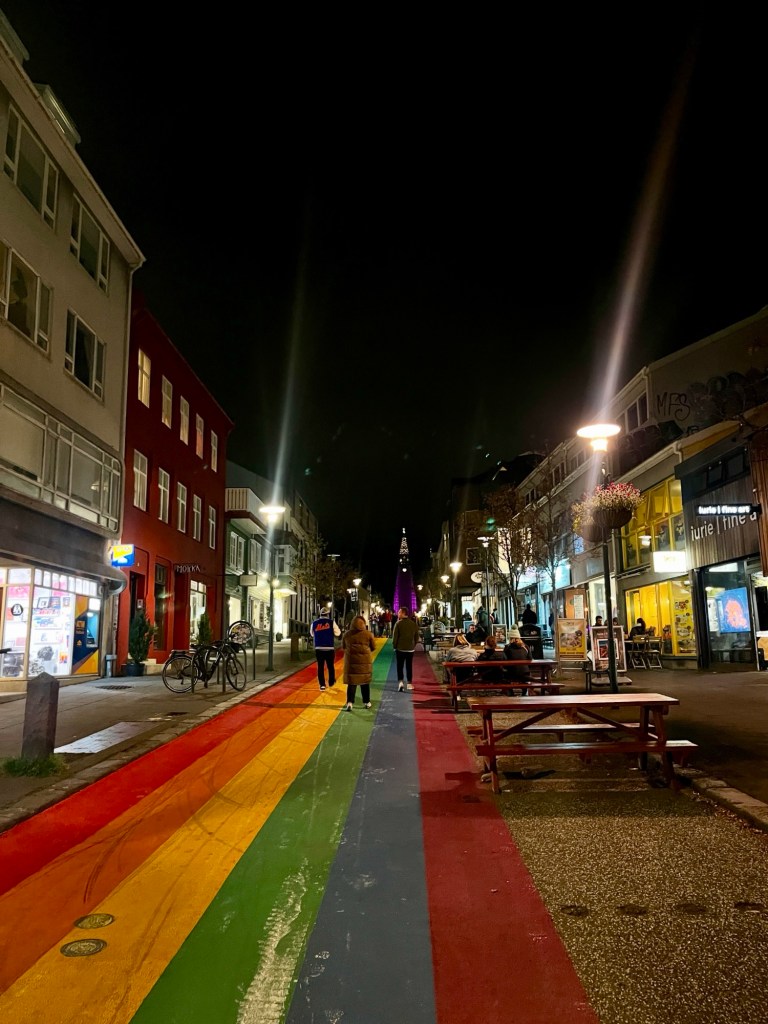
There are various small shops, cafes, street art, and photo ops along Rainbow Street as you stroll from here to Laugavegur Street.
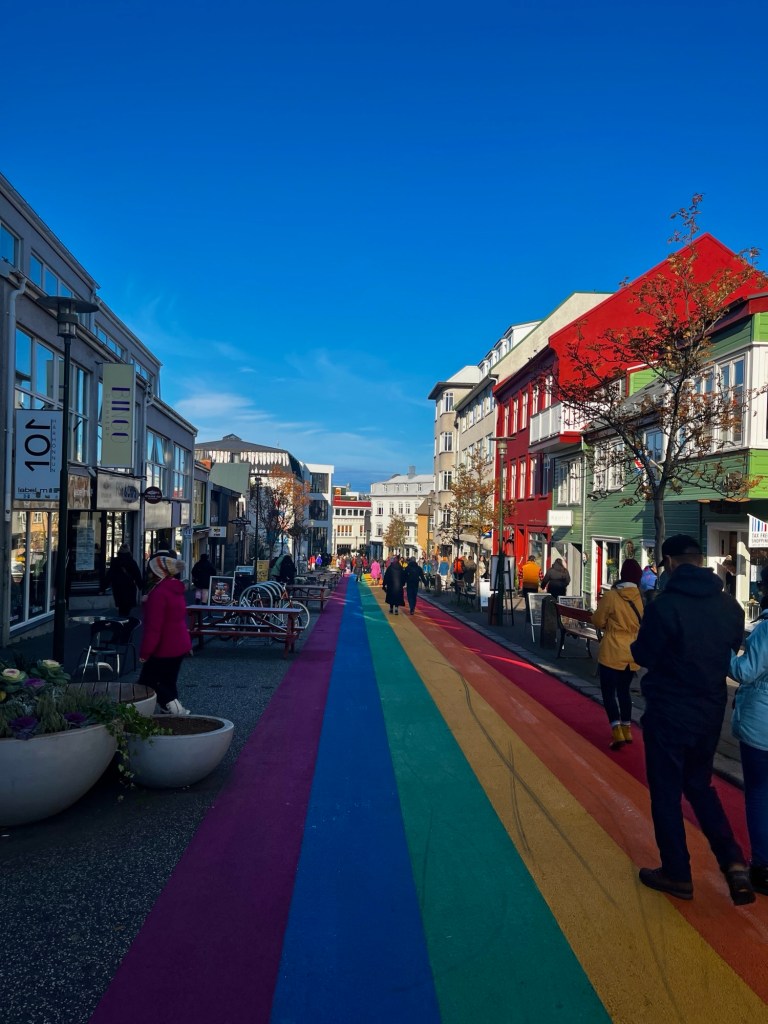
Laugavegur Street
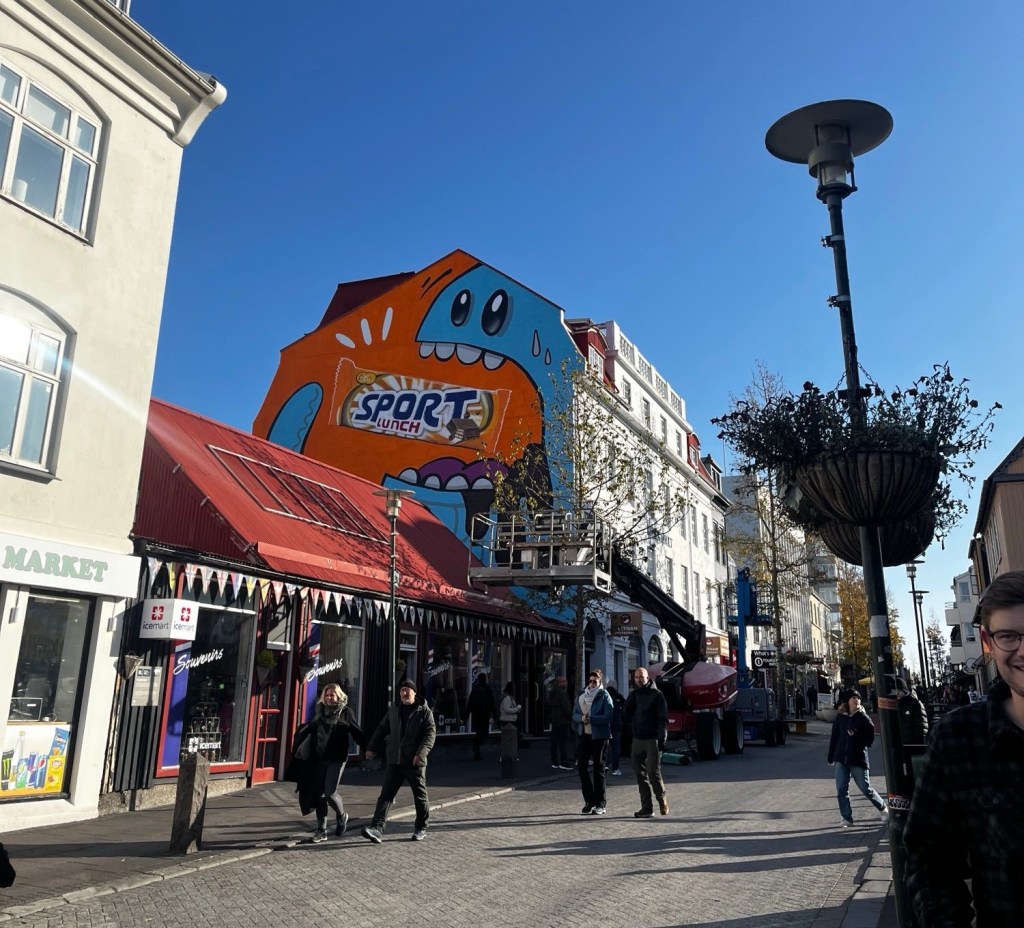
As Reykjavik’s main shopping street, Laugavegur is filled with many boutiques, top clothing brands, restaurants, and bars. It spans about 1.2 miles (2 km) and is very pedestrian-friendly as well.
Harpa Concert Hall
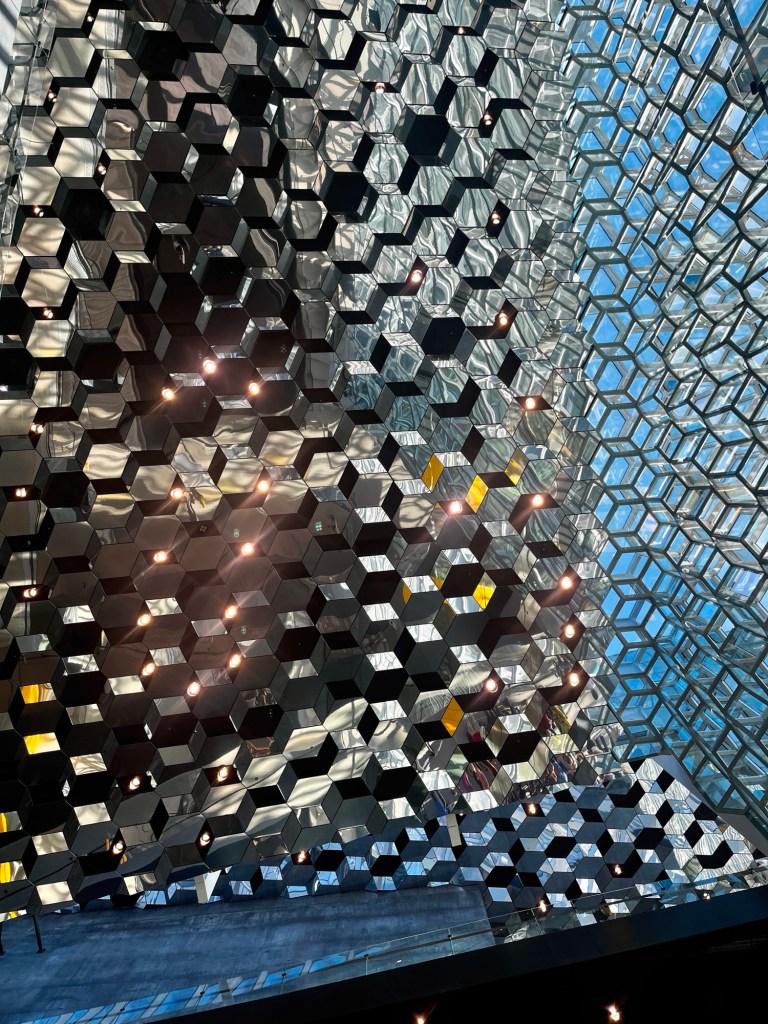
This building has received numerous prizes and awards for both its striking architecture and as a concert hall and conference center.
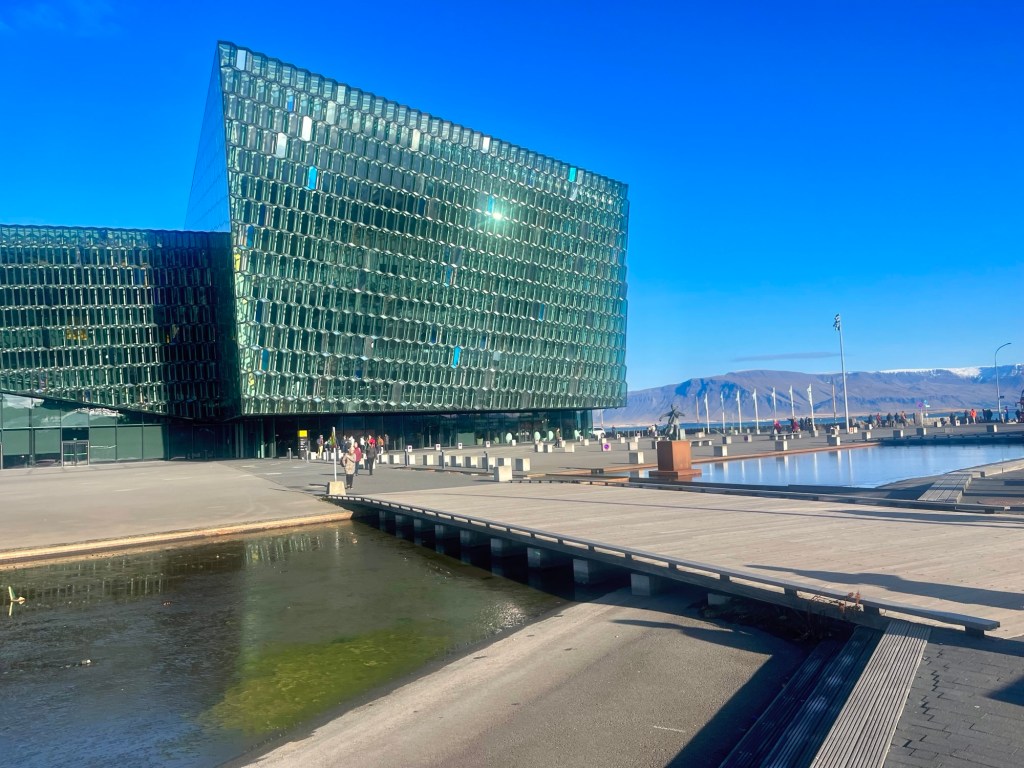
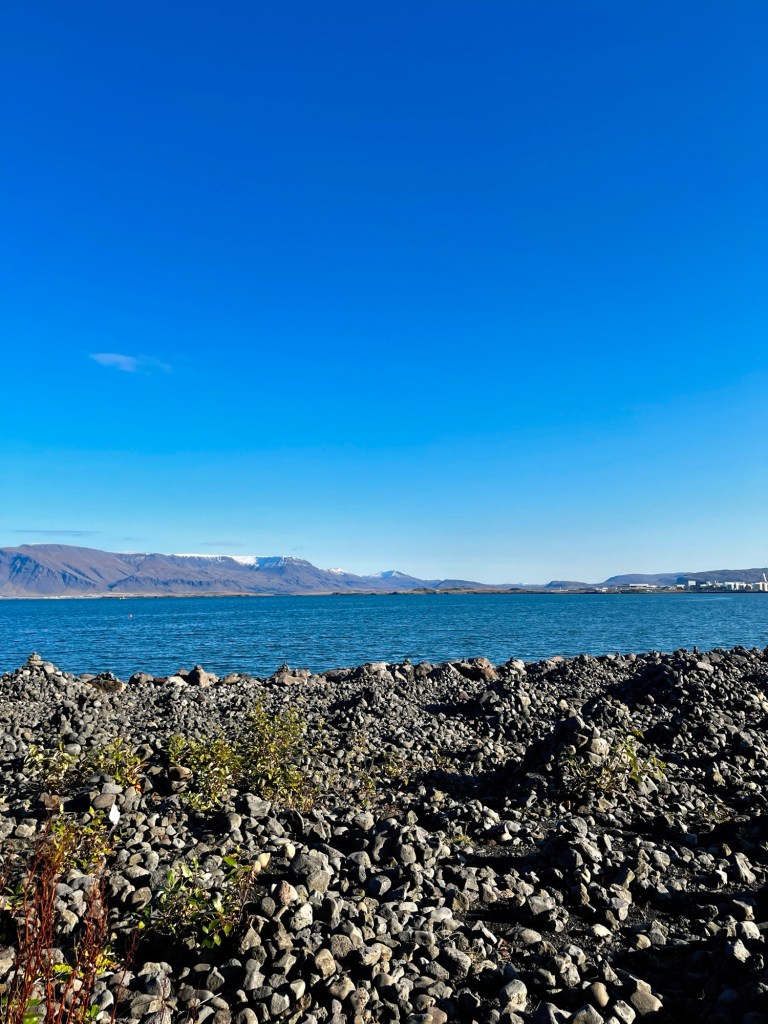
Right along the coastline, visitors can visit to marvel at the structure, attend various events, and enjoy shows and Icelandic designs. The waterfront is also where the Sun Voyager is, which is a steel sculpture that resembles a Viking long-ship.
Blue Lagoon
The iconic Blue Lagoon is world-famous for its vibrant blue geothermal spa and silica mud mask. It’s a 20 minute drive from Keflavik International Airport or 45 minute drive from Reykjavik. While it is a man-made geothermal pool, it is one of Iceland’s most popular attractions.
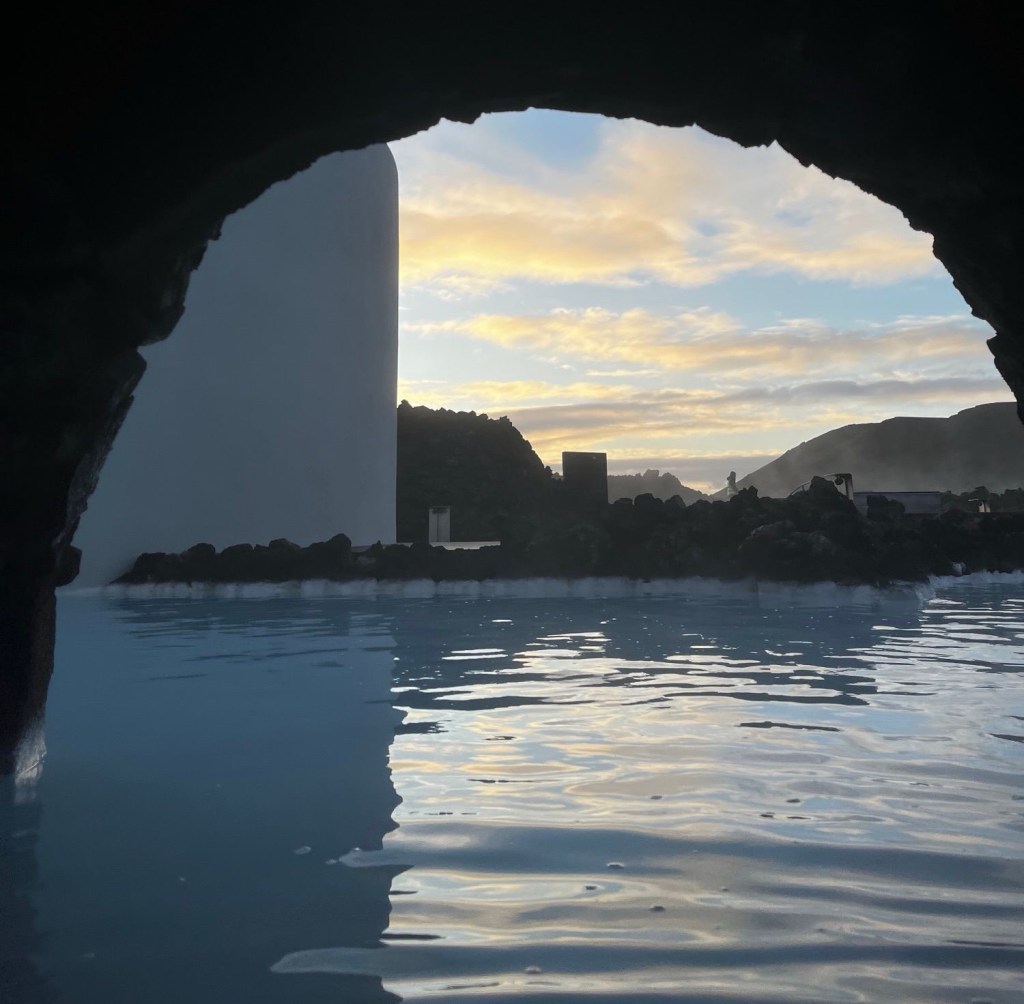
Though it is a bit touristy, I thought it was still a great experience and a must-do when visiting Iceland for the first time!
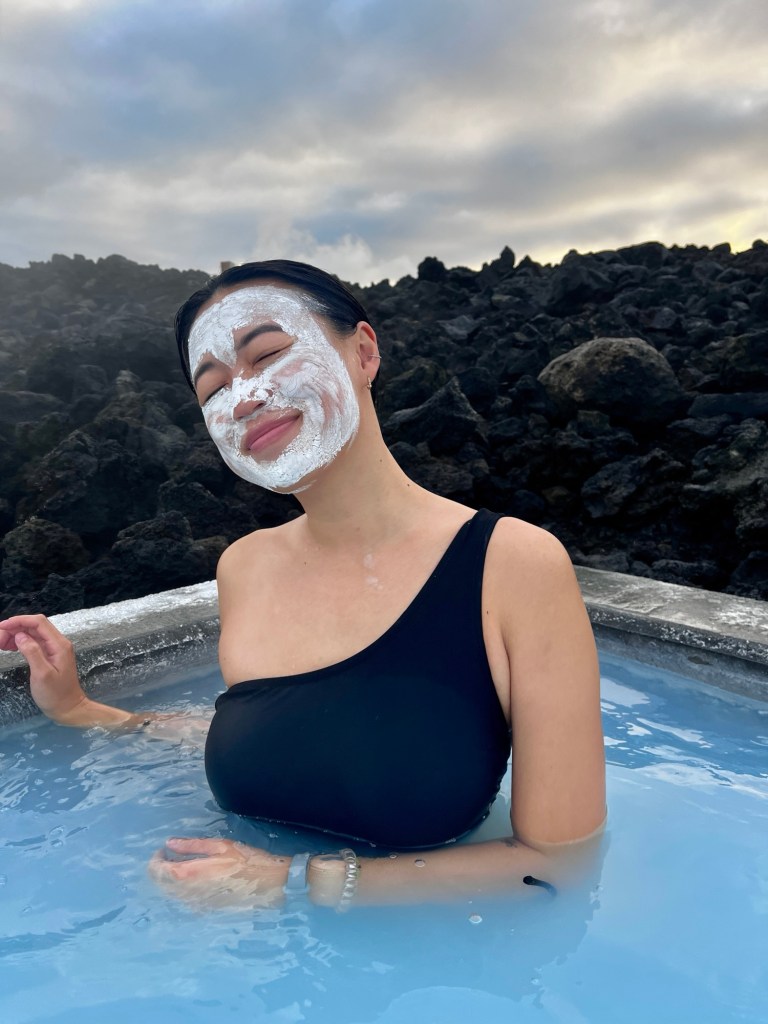
There are multiple options for admission: Comfort, Premium, and Signature. We chose the Comfort option for our budget, but while it was the most basic option, it still included everything we needed: access to the Blue Lagoon, the steam bath, sauna, and colder lagoon, a silica mud mask from the Mask Bar, a towel, private locker, shampoo, conditioner, moisturizer, and one non-alcoholic drink from the in-water bar.
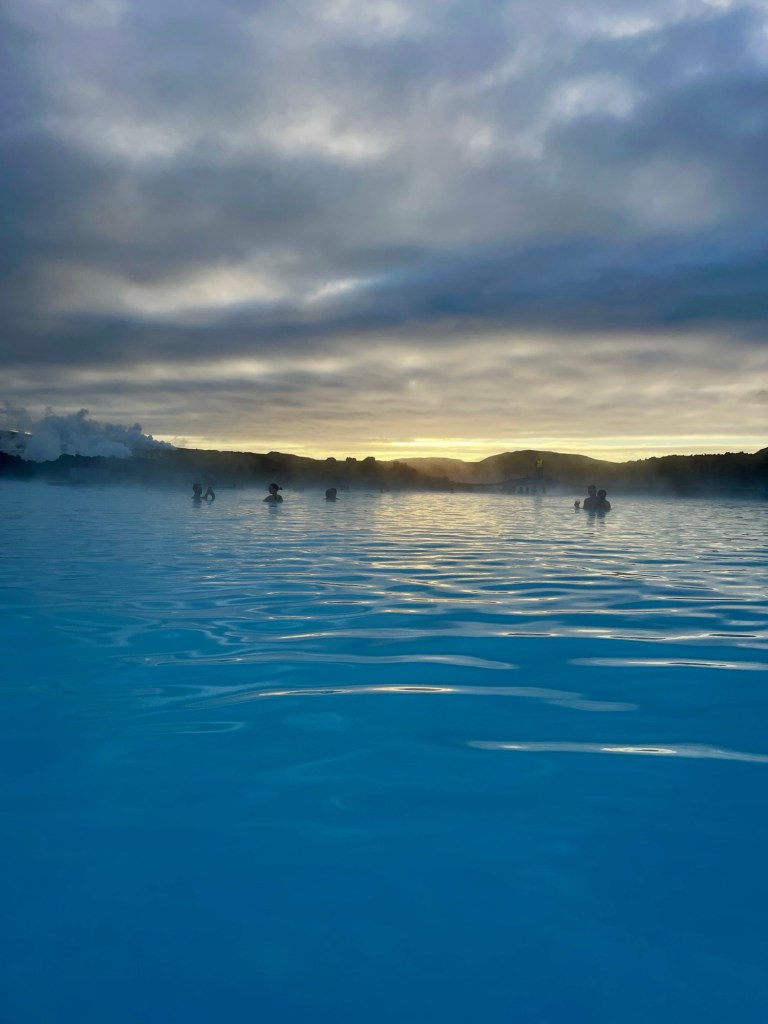
We spent a total of 2 hours here since we were on a time constraint to head to the Golden Circle after this, but it was so relaxing we could have stayed longer! We enjoyed soaking in the hot springs with our mud mask on and sipping on our fresh juice (I chose the oranges, apples, carrots, and ginger juice).
Warning: do NOT put your hair in the water as the geothermal temperature can damage your hair and make it very dry/brittle. The Lagoon offers a leave-in conditioner, in which I put in my hair during my time in the hot springs to keep my hair hydrated.
Geothermal Springs Alternatives
The Blue Lagoon isn’t the only option for you to relax in, as there are numerous other options for geothermal lagoons and hot springs.
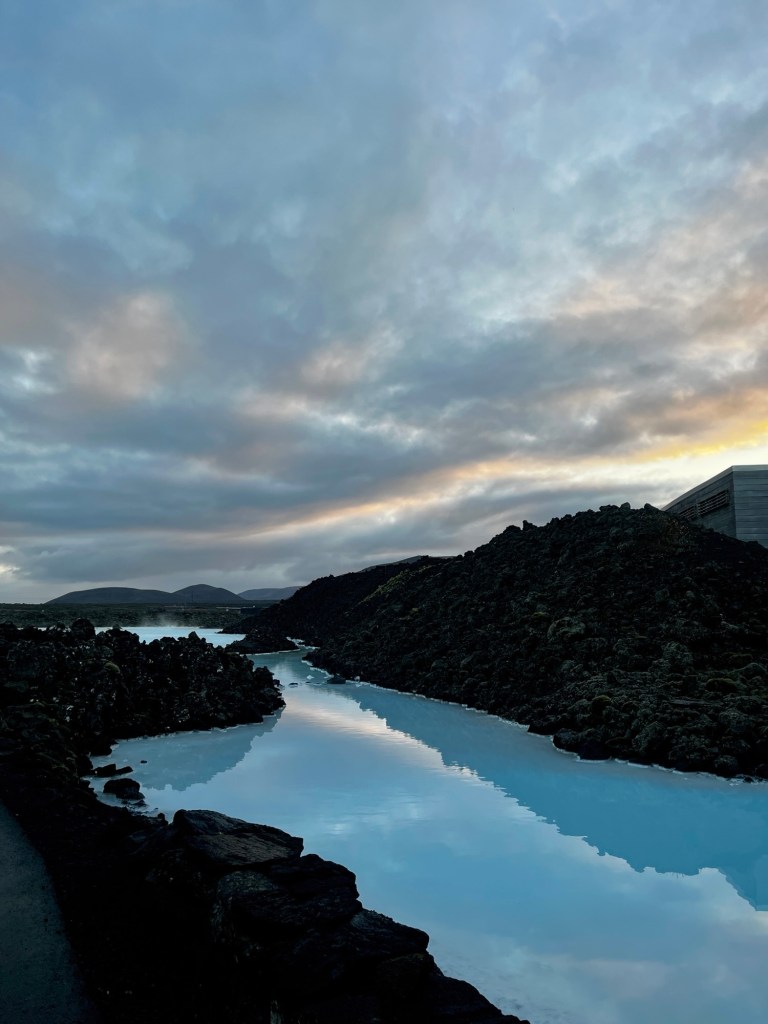
Sky Lagoon
This was a top alternative for us that we almost did, but decided on the Blue Lagoon! Located near central Reykjavik, this lagoon is easier to get to if you’re just visiting the city without a car.
The experience includes their signature 7-step Skjól ritual, which includes the geothermal pool, cold plunge, steam, mist, exfoliating body scrub, and Saft juice. Sky Lagoon is a bit pricier than Blue Lagoon though, starting at $130 per adult.
Secret Lagoon
Constructed in 1891, the Secret Lagoon (known locally as Gamla Laugin) is Iceland’s oldest geothermal swimming pool. It is a bit further from Reykjavik (about 1.5 hours away) as it is located on the Golden Circle in Fludir. Secret Lagoon is the best budget-friendly option, as the ticket only includes entrance to the hot springs (4500 IKR / 37 USD). This does not include a swimsuit or towel rental. If you’re looking for a no-frills, rustic soak in the hot springs, Secret Lagoon is the best alternative to the other spas!
Hvammsvík Hot Springs
Only a 45 minute drive from Reykjavik in Whale Fjord, Hvammsvik Hot Springs offers 8 geothermal natural hot springs of various sizes and temperatures right on the edge of the Atlantic Ocean.
Icelandic Phallological Museum
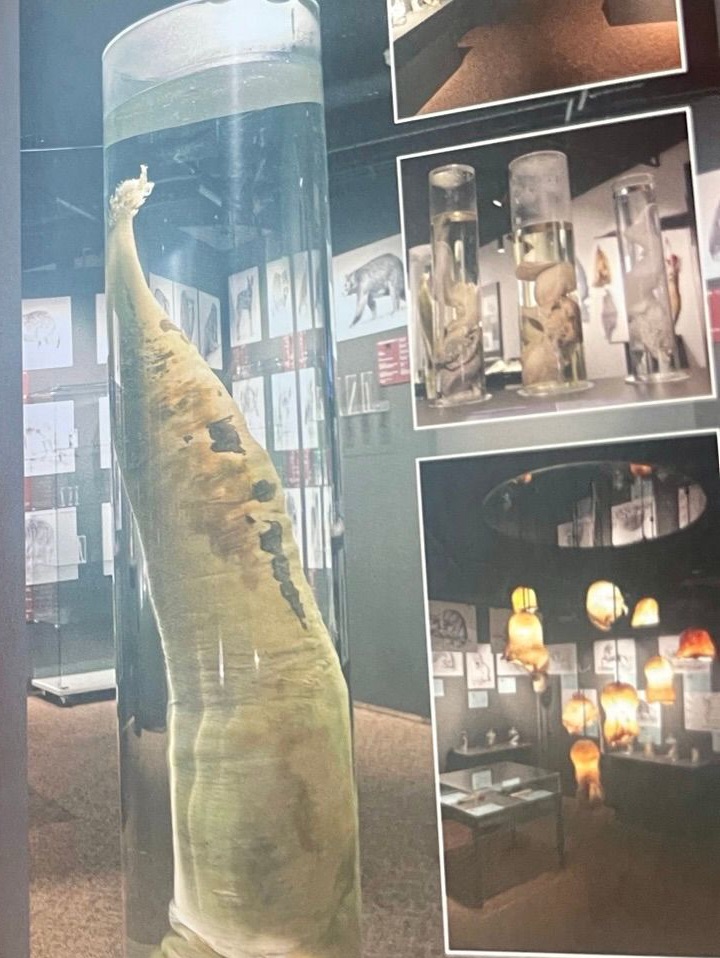
As the world’s only penis museum, this museum is exactly what you would think it is from its name. It started as a personal collection of all things phallic and now has grown to house over 300 penis specimen from over 100 species of mammals.
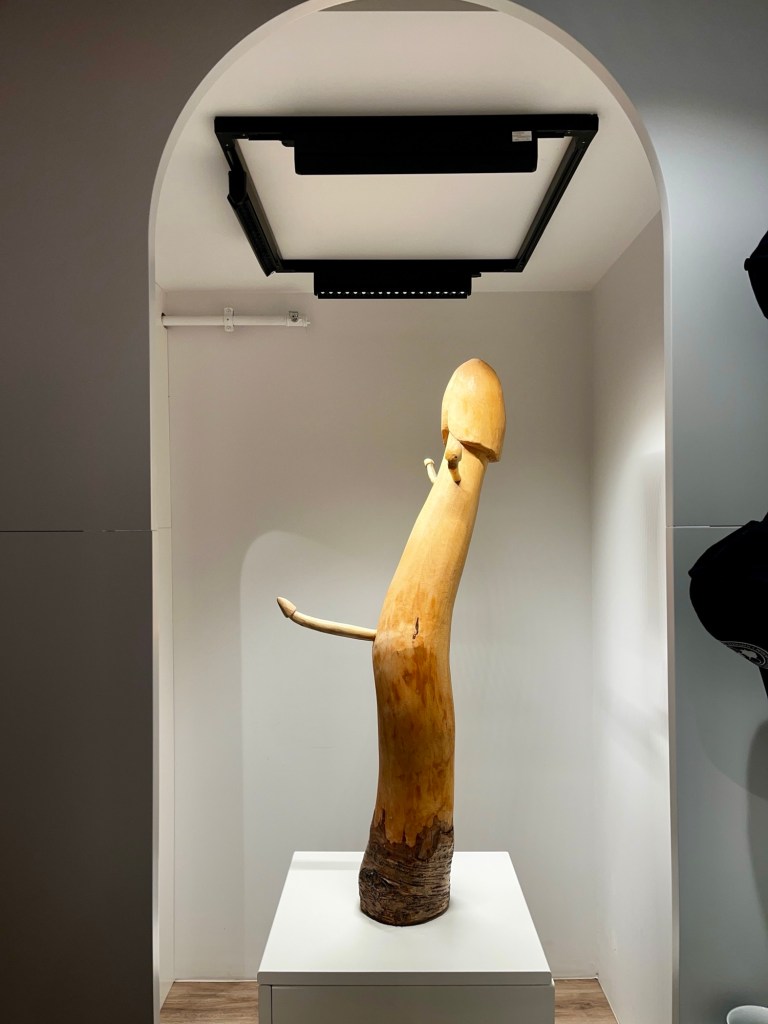
It ties together the biological specimen, cultural artifacts, references to Icelandic folklore, and phallic art and sculptures. There is also a on-site cafe and bar.
Food & Drink
Icelandic Hot Dog
While hot dogs are normally made with pork or beef, Icelandic hot dogs are primarily made from lamb (though also mixed with pork and beef). They are topped with crispy onions and raw onions, as well as drizzled with sweet mustard, remoulade, and Icelandic ketchup. Fun fact: they used Skyr (similar to a greek yogurt) before mustard!

The creator of the Icelandic hot dog is at the stand, Bæjarins Beztu Pylsur, which literally translates to “the town’s best hot dogs.” It was founded in 1937 and to no surprise, the original location is always filled with plenty of visitors in line. To avoid the wait, you can visit other locations across the city.
With how things are in Iceland, we had plenty of Icelandic hot dogs at other hot dog stands, gas stations, and even the airport!
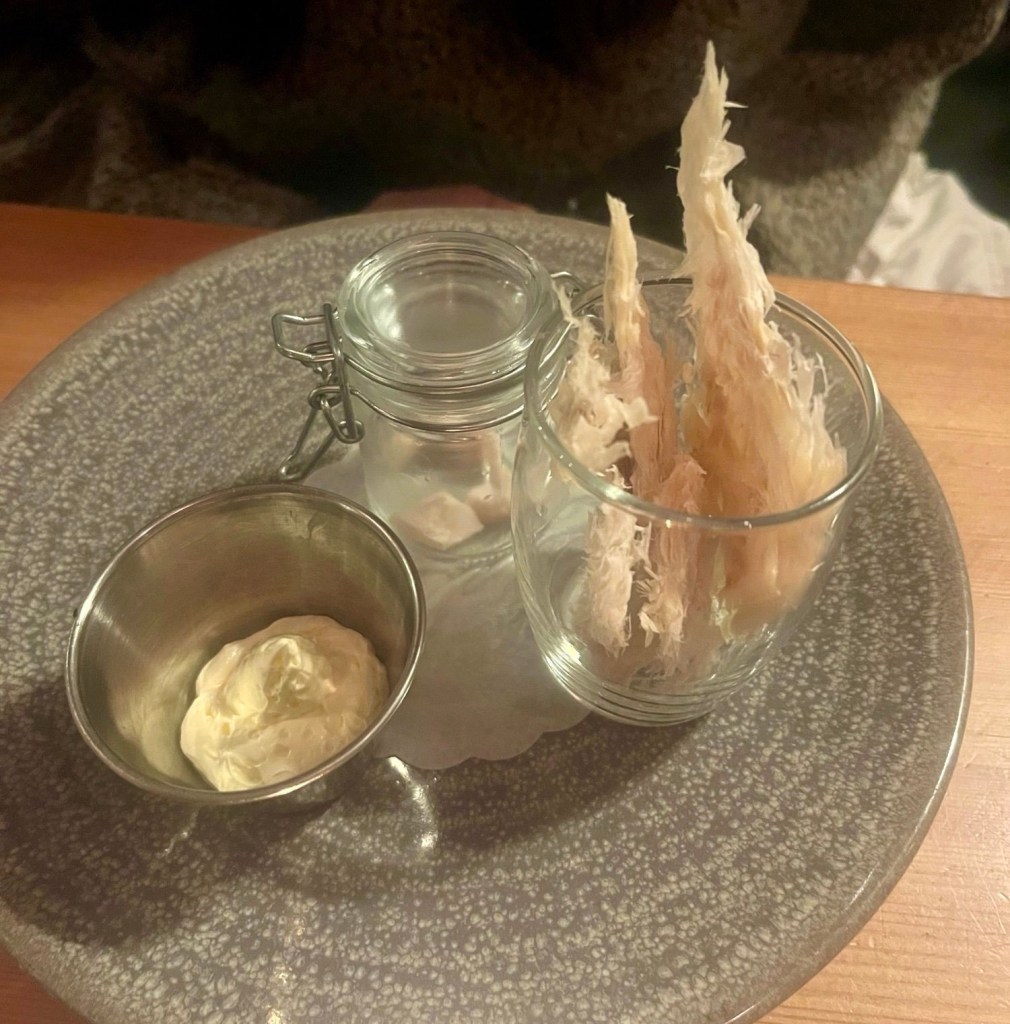
Fermented Shark
Before refrigerators and modern technology, Icelandic people had to discover different methods to store food during long and cold winters. As one of Iceland’s national foods, of course we had to try fermented shark (kæstur hákarl)!
Golden Circle
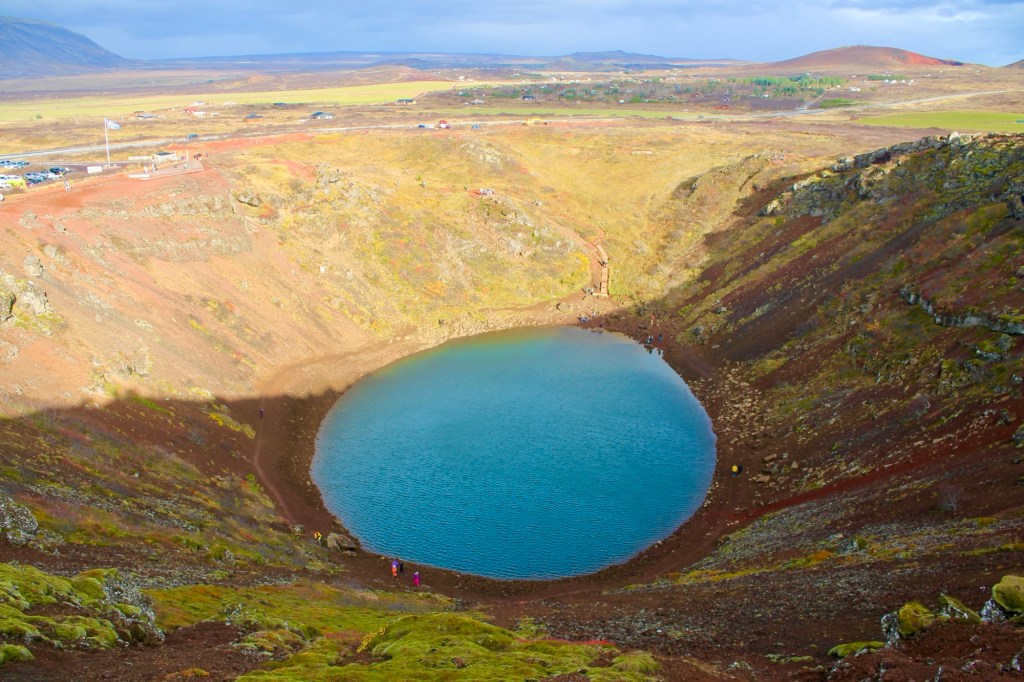
This scenic drive is a popular excursion from Reykjavik and visits geothermal spas, natural geysers, dramatic out-of-this-planet rock formations, stunning waterfalls, volcanic craters, and more. You can book a tour that goes to the Golden Circle or drive it yourself with a rental car.
Read more about the Golden Circle HERE (article coming soon).
Things We Missed
Due to time constraints and being on a budget, there are some activities we prioritized over others within our short time at Reykjavik. Here are some things we missed:
- Magic Ice Reykjavík – Ice Bar & Gallery: Viking-themed ice sculptures and a signature cocktail in a carved ice glass. (We did a very similar experience in Fairbanks, Alaska, so we skipped this one!)
- Perlan Museum – Nature exhibition and planetarium. Also contains a 100 meter long ice cave.
- Northern Lights – As much as I would love to see the aurora borealis again, we weren’t lucky enough to see them in early October. The best chance at seeing the northern lights is between October and March but requires a clear night sky for the best chance at seeing them.
- The Settlement Exhibition – Learn about the origins of Iceland and the first people that settled here.
- Whale watching
- National Museum of Iceland (Thjodminjasafn) – Learn about the history of Icelandic culture.
What’s Next?
It’s very easy to drive around a whole country in Iceland! We’re spending the remainder week of our time in Iceland driving around the country on the Ring Road and exploring all the natural wonders that Iceland has to offer.
Pin it for next time! 📍


share your thoughts!